It will not produce a dramatic sight in the sky, and most people will not see the Moon at all. But for anyone planning a night of serious skywatching, the March 2026 New Moon may be one of the most useful dates of the month.
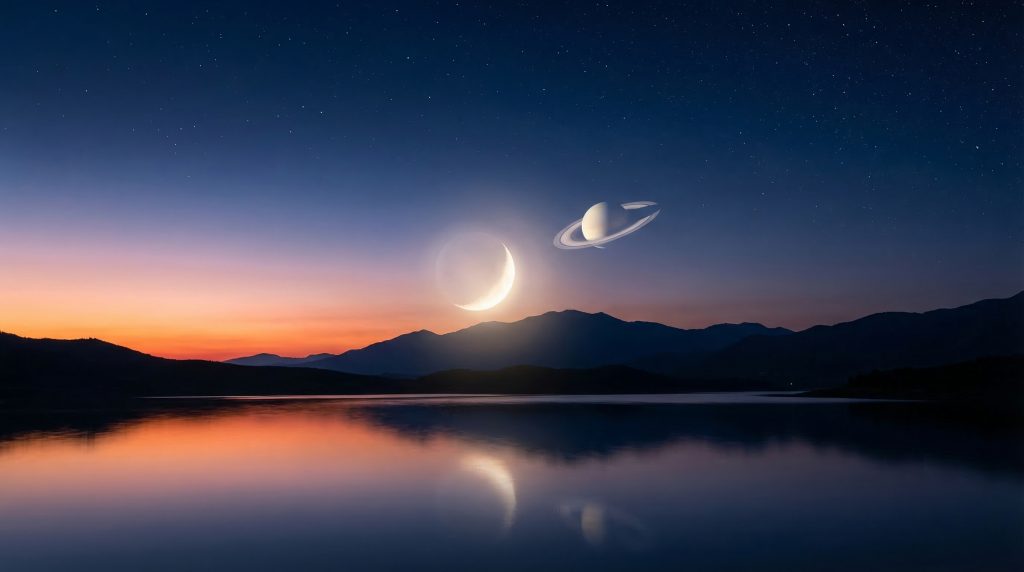
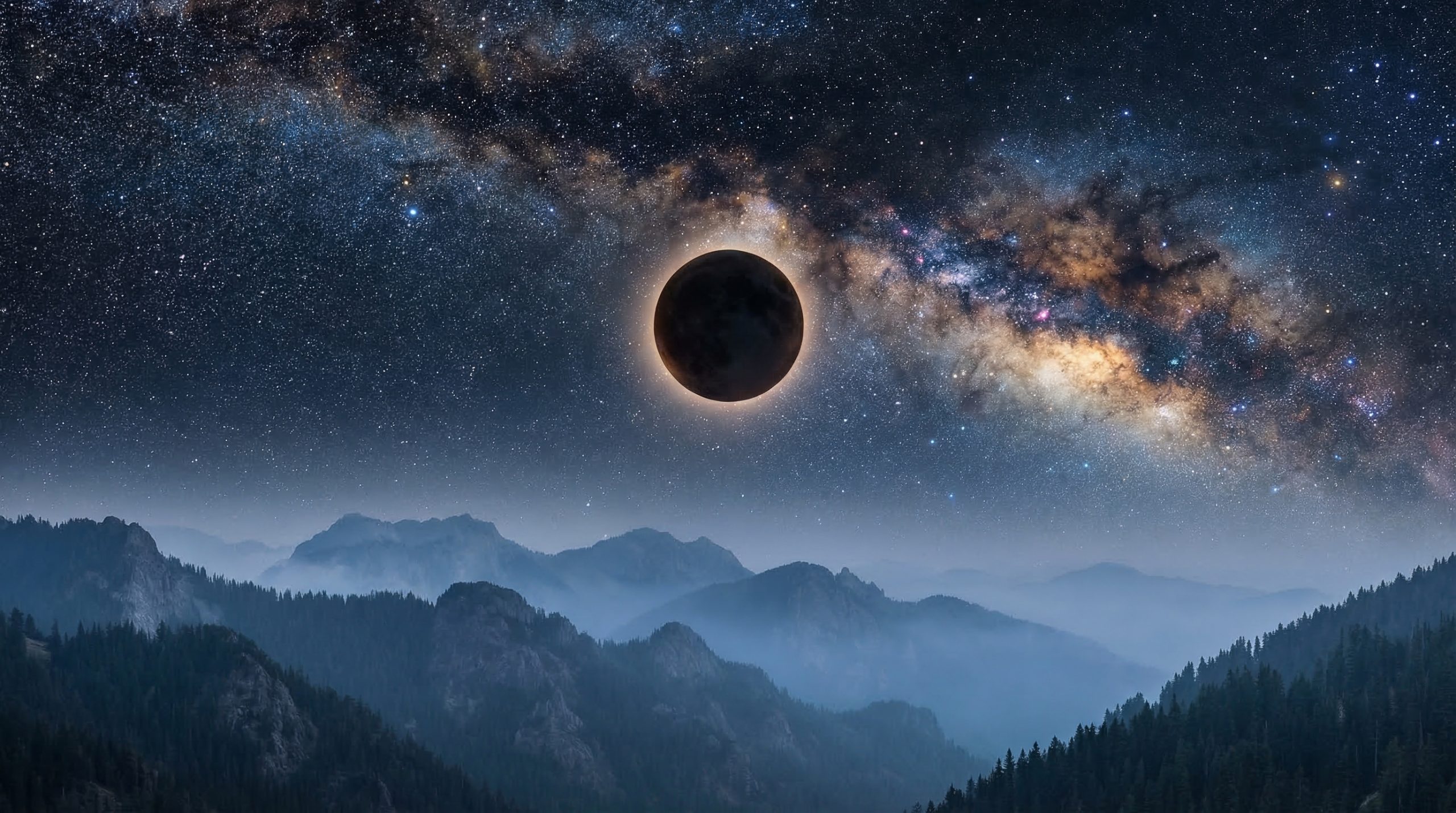
The March 2026 New Moon occurs on March 19, 2026, at 01:23 UTC. At that moment, the Moon is positioned close to the Sun in the sky, leaving its illuminated side turned away from Earth. The result is simple but important: the Moon becomes effectively invisible, and the night sky loses its brightest natural source of light.
For readers, the value of a New Moon is not in the direct view of the event itself. The real benefit is what follows. With moonlight temporarily absent, the sky becomes darker, improving visibility for faint deep sky objects such as galaxies, nebulae, and dim star clusters. EarthSky notes that dark skies without moonlight are generally preferred for observing faint objects.
What readers need to know
• Exact time: March 19, 2026, at 01:23 UTC.
• Can it be seen directly? In most cases, no. A New Moon is usually not visible because the lit side faces away from Earth and the Moon sits close to the Sun in the sky.
• What is the main benefit? Darker skies for observing faint celestial targets. This is the part that matters most to astronomers, astrophotographers, and deep sky observers.
• Best nights to observe: The most useful observing window is usually the night before, the night of, and several nights immediately after New Moon, as long as the thin waxing crescent remains low and sets early. Time and Date’s March 2026 phase calendar places the New Moon between the March 11 Third Quarter and the March 25 First Quarter, confirming it as the reset point of the lunar month.
• Best place to go: A dark sky site away from city lights, ideally with low light pollution, clear weather, and a wide open horizon. National Geographic’s stargazing guide similarly recommends dark locations with minimal artificial light for better sky visibility.
• Best targets after New Moon: Galaxies, nebulae, star clusters, and broad Milky Way fields become easier to observe when the Moon is absent from the sky.
• Best equipment: The event itself does not require equipment, but binoculars, telescopes, and astrophotography gear become more useful in the darker conditions that follow. NASA’s viewing guidance notes that the Moon and sky can be explored with anything from the naked eye to binoculars and telescopes, depending on the target.
Why this matters more than it looks
A Full Moon dominates attention because it is bright and obvious. A New Moon matters for the opposite reason. It removes a major source of sky brightness and quietly improves observing conditions across the night. In editorial terms, this makes the March 2026 New Moon less of a spectacle story and more of a planning story. It is a timing event, and its value depends on what readers want to do once the sky turns darker.
NASA’s Moon Phase and Libration material for 2026 also places this phase near the March equinox period, showing how lunar timing and seasonal sky changes can overlap in the same part of the calendar. That does not make the New Moon more visible, but it does make it more relevant in a month already filled with astronomy interest.
For international publishing, the clearest reference remains March 19, 2026, at 01:23 UTC. For readers, the practical takeaway is straightforward: this is the lunar phase that creates the darkest skies of the month, making it one of the best times to plan serious nighttime observing.