

In today’s busy world, many people immediately turn to supplements when they feel tired, stressed, or low on energy. But sometimes, the solution doesn’t come from a bottle of pills. It may already be sitting quietly on your dinner plate.
Certain green vegetables contain natural magnesium — an essential mineral that plays a crucial role in keeping the body healthy and balanced. By simply including more of these vegetables in your daily meals, you can help your body get the magnesium it needs without relying on medication.
Magnesium is involved in hundreds of processes inside the body. It supports muscle function, helps regulate the nervous system, contributes to strong bones, and plays a key role in maintaining steady energy levels. When the body lacks magnesium, people may experience fatigue, muscle cramps, headaches, or difficulty sleeping.
Fortunately, nature provides plenty of simple and accessible ways to restore this important nutrient.
Here are five green vegetables that can help naturally boost your magnesium intake.
Spinach
Spinach is often considered a nutritional powerhouse, and for good reason. This leafy green is packed with vitamins, antioxidants, and a generous amount of magnesium.
Kale
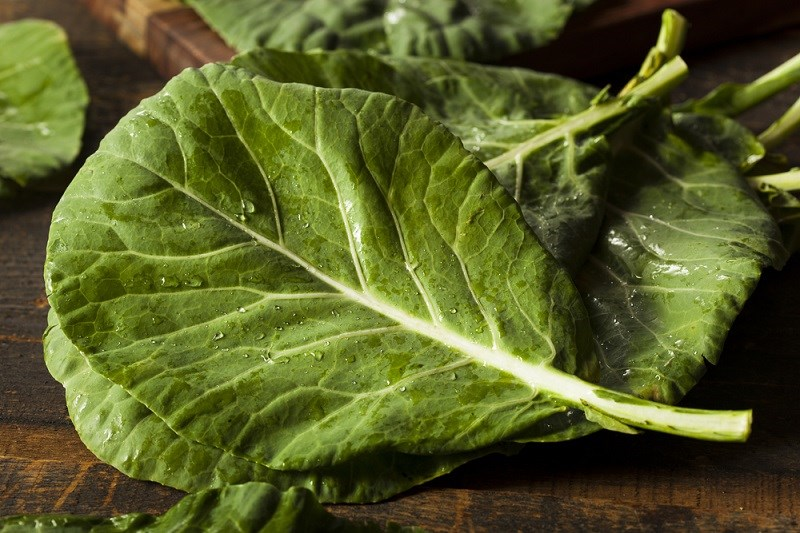
Kale has gained popularity around the world as a “superfood,” and its impressive nutrient profile explains why. In addition to magnesium, kale is rich in fiber, vitamin C, calcium, and antioxidants.
These nutrients help strengthen the immune system, support bone health, and contribute to better digestion. Kale can be steamed, sautéed, or blended into smoothies for a nutrient-rich addition to your diet.
A single bowl of cooked kale can provide a meaningful boost of magnesium while also offering many other health benefits.

Bok Choy
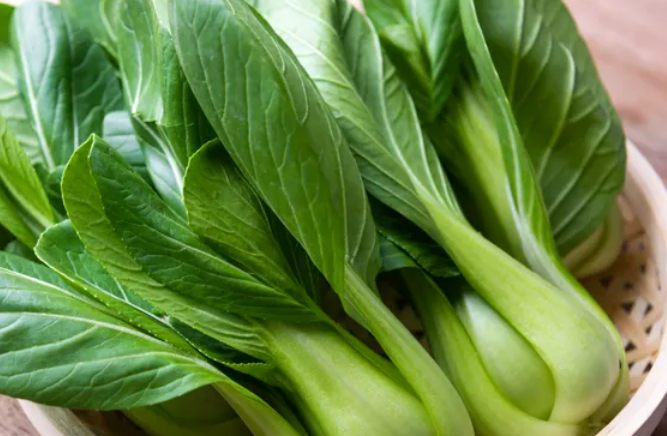
Bok choy, also known as Chinese cabbage, is a familiar vegetable in many Asian dishes. Its mild flavor and tender texture make it easy to cook in soups, stir-fries, and light broths.
One cup of cooked bok choy can provide about 34 milligrams of magnesium. Another advantage of this vegetable is its relatively low oxalate content compared with other leafy greens, which helps the body absorb minerals more effectively.
Because of its versatility and nutritional value, bok choy is an excellent choice for people looking to improve their mineral intake naturally.
Mustard Greens
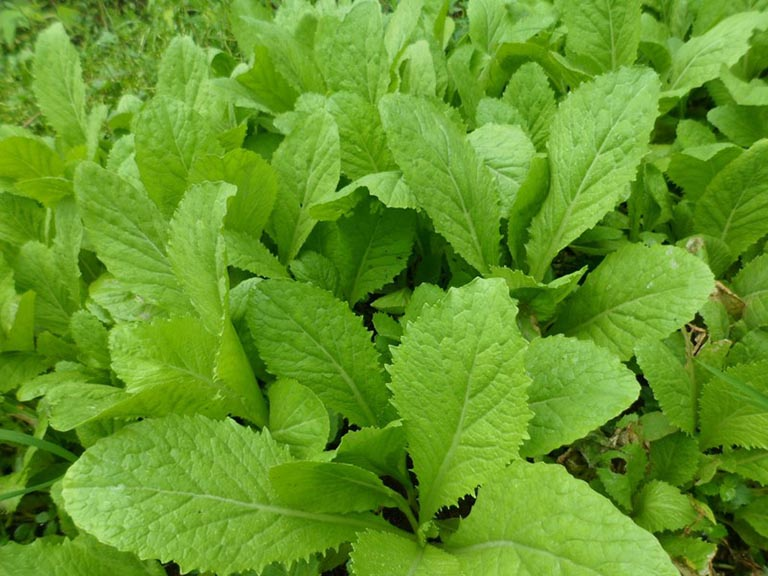
Mustard greens have a slightly peppery taste and are commonly used in many traditional dishes. Beyond their unique flavor, they also offer an impressive nutritional profile.
These leafy greens contain magnesium along with beneficial plant compounds that support heart health and help reduce inflammation in the body.
Adding mustard greens to soups, sautéed dishes, or vegetable mixes can provide both flavor and valuable nutrients.
Other Leafy Green Vegetables
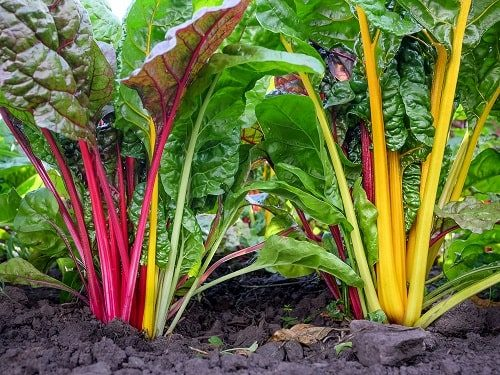
Many other leafy greens also provide magnesium naturally. Vegetables such as Swiss chard, amaranth leaves, and various dark leafy greens can help contribute to a healthy daily intake of this important mineral.
These vegetables also supply fiber, vitamins, and antioxidants that support digestion, protect cells, and promote long-term health.
A Small Mineral With a Big Role in Health
Although magnesium may not receive as much attention as other nutrients, it plays a powerful role in keeping the body functioning properly. It helps muscles relax, supports the nervous system, regulates blood pressure, and contributes to strong bones.
Rather than relying solely on supplements, simply adding more green vegetables to your daily meals can be a natural and effective way to support your health.
Sometimes, the most powerful remedies aren’t complicated or expensive.
They begin with simple choices — like adding a handful of fresh greens to your plate.