
Summary: Key Foods That Support Liver Recovery
Experts in nutrition and liver health agree that a liver-supportive diet focuses on foods rich in antioxidants, fiber, and healthy fats, which help reduce inflammation, improve detoxification, and support metabolic balance. Common recommendations include:
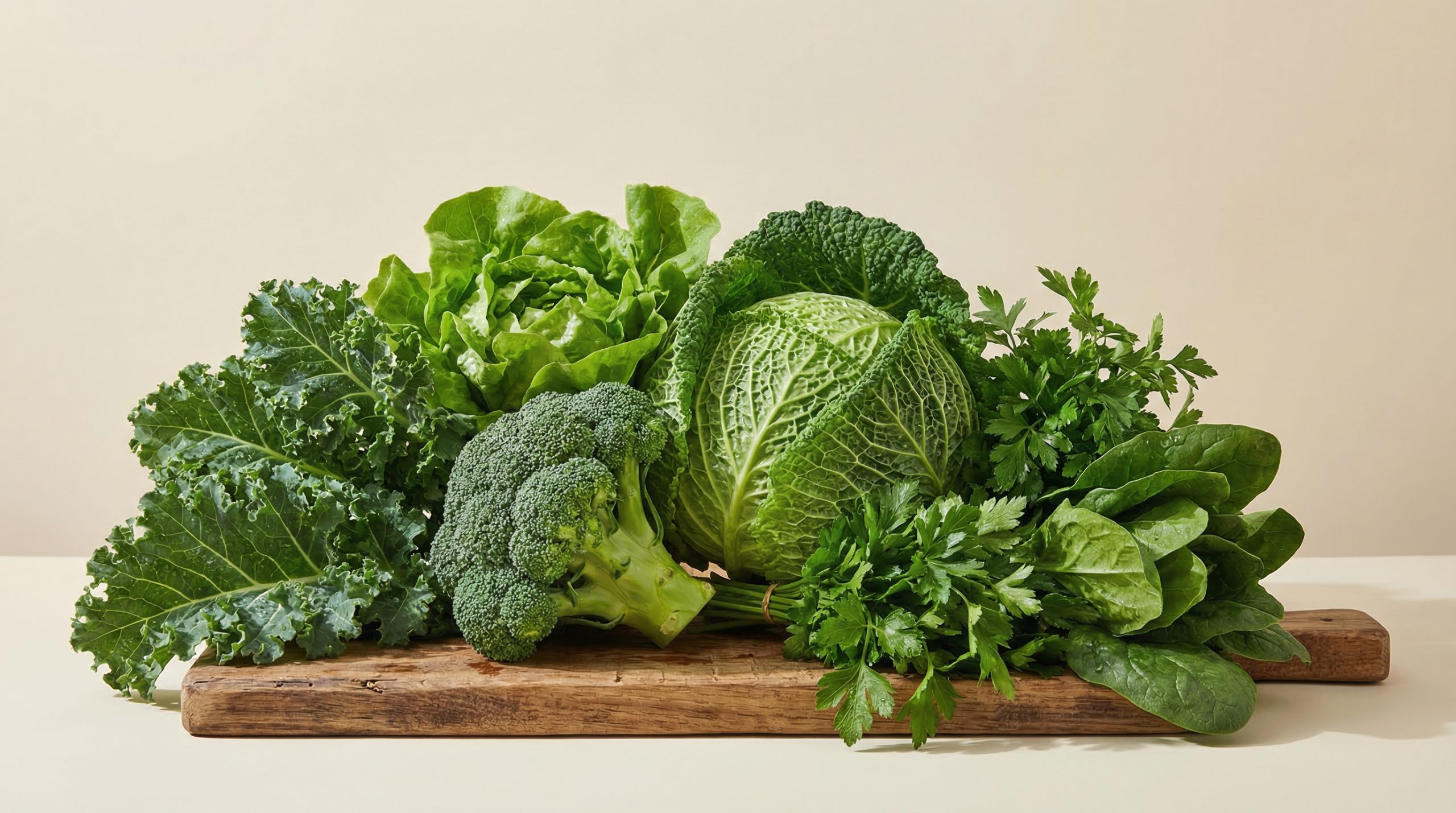
1. Cruciferous Vegetables — Broccoli, Cauliflower, Brussels Sprouts
These vegetables contain compounds that activate detox enzymes in the liver, helping break down harmful byproducts from alcohol or processed foods.
2. Leafy Greens — Spinach, Kale, Lettuce
Rich in vitamins, antioxidants and chlorophyll, leafy greens help neutralize toxins and reduce liver workload.
3. Nuts & Seeds — Almonds, Walnuts, Sunflower Seeds
Healthy fats and vitamin E in nuts support anti-inflammatory processes and may improve liver enzyme levels.
4. Fatty Fish — Salmon, Sardines
Omega-3 fatty acids reduce liver fat and inflammation while improving overall metabolic health.
5. Olive Oil & Healthy Fats
Extra virgin olive oil may help reduce fat accumulation in the liver and improve enzyme tests.
6. Fruits — Berries, Grapefruit, Beetroot, Avocado
Antioxidant-rich fruits protect liver cells from oxidative stress and support detox processes.
7. Water and Hydration
Adequate hydration supports blood flow and toxin elimination, helping the liver function efficiently.
English Version with Analysis and Personal Insight
Natural Foods That Help Your Liver Recover – Explained by a Health Writer
A healthy liver is essential for detoxification, nutrient processing, and overall metabolic balance. While no single food can “cure” liver disease, research shows that certain foods can support liver recovery and reduce stress on this vital organ when part of a balanced diet.
Cruciferous Vegetables — Like Broccoli and Cauliflower
These vegetables contain sulfur-based compounds that stimulate liver detox enzymes, helping your body process toxins more effectively. Including them steamed or lightly sautéed in meals can boost your liver’s detox pathways.
Leafy Greens — Spinach, Kale, Lettuce
Leafy greens are high in antioxidants and chlorophyll, which help neutralize harmful free radicals and reduce the workload on the liver. Adding a large salad or green smoothie daily can be one of the simplest ways to support liver health.
Healthy Fats — Nuts, Olive Oil, and Fatty Fish
Healthy fats from nuts, seeds, olive oil, and fatty fish like salmon provide omega-3s and vitamin E, which reduce inflammation and may help improve liver enzyme levels. These fats also help the liver process and store fats more effectively.
Fruits — Berries, Grapefruit, Beetroot, Avocado
Fruits rich in antioxidants help combat oxidative stress, a common factor in liver damage. Beetroot, for example, contains betalains that support detox functions, while berries offer polyphenols that protect liver cells.
Hydration — Water Is Key
Water is essential for nearly every metabolic process, including liver detoxification. Staying well-hydrated helps the liver filter toxins and supports healthy bile production.
Analysis and Personal Perspective
What stands out in research on liver-healthy foods is that no single “magic” item exists — the real benefit comes from a pattern of eating. A diet high in whole foods, plants, healthy fats, and lean proteins, and low in processed sugars and saturated fats, consistently supports liver function.
It’s also important to understand why these foods help:
- Antioxidants reduce oxidative stress, which can damage liver cells if left unchecked.
- Fiber improves digestion and helps regulate fats in the bloodstream, reducing the liver’s burden.
- Healthy fats support cell membranes and reduce chronic inflammation that can lead to fatty liver disease.
Personally, I find that thinking of liver health as part of a broader metabolic wellness framework — rather than just detox — resonates more with scientific evidence. Eating colorful whole foods, staying hydrated, and balancing macronutrients not only supports liver repair but also improves energy, digestion, and long-term health.